

Cursive Writing Alphabet Worksheets for Easy Letter Practice
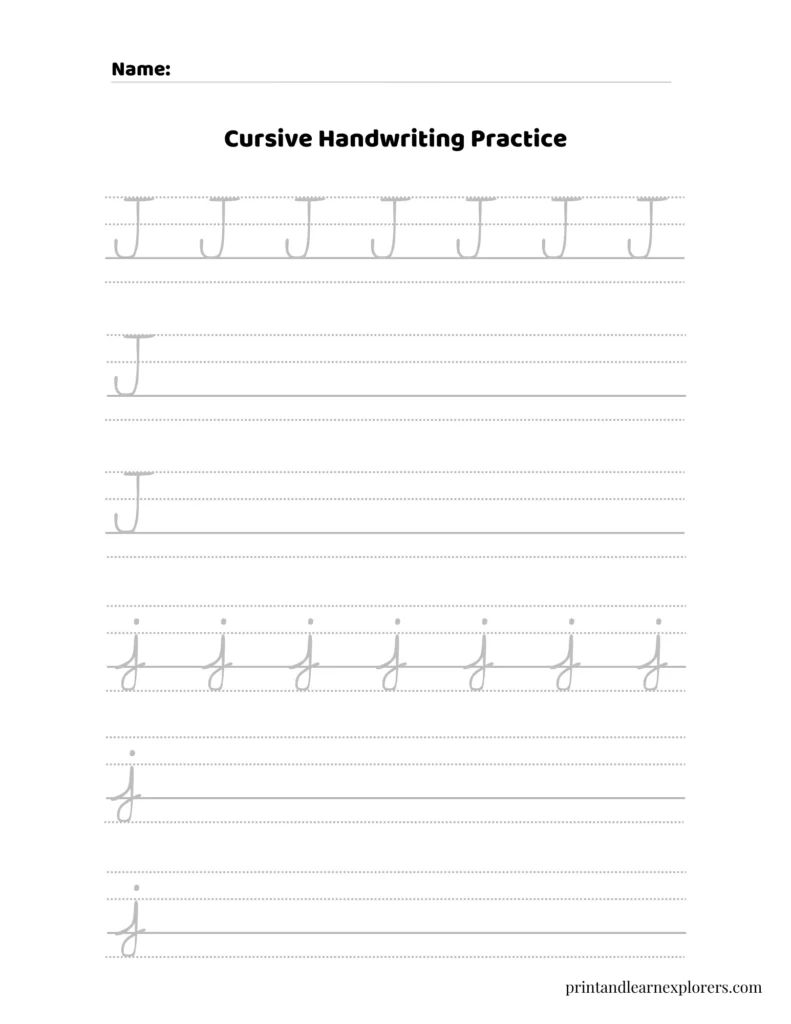
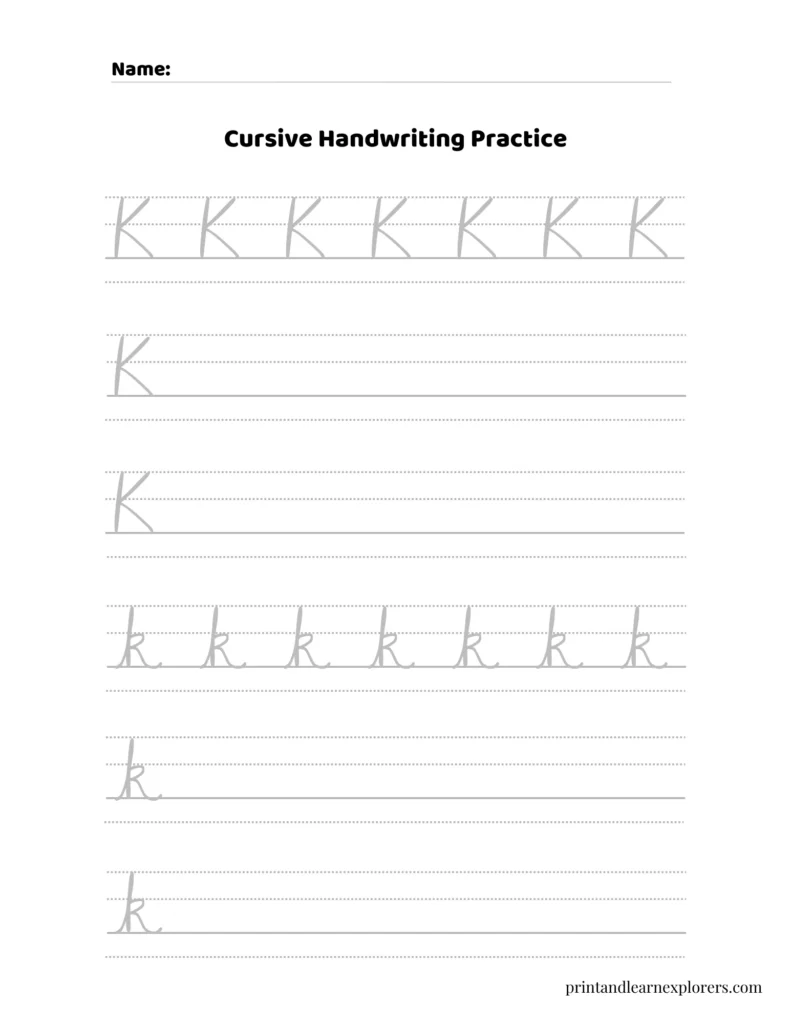
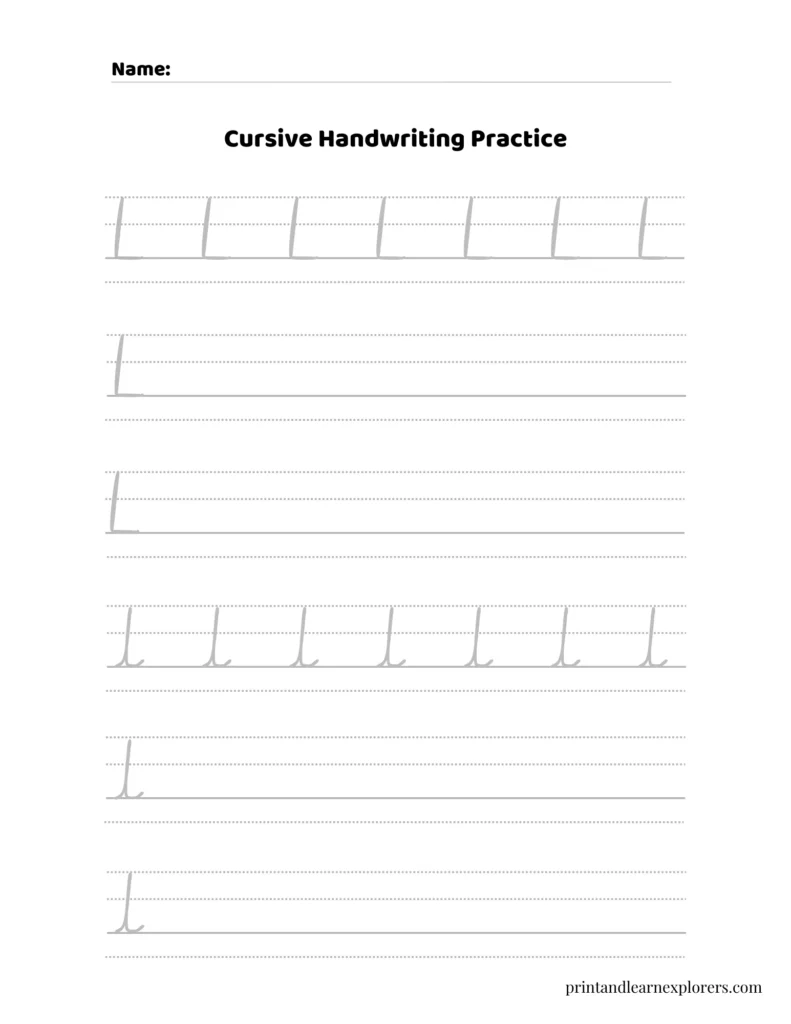
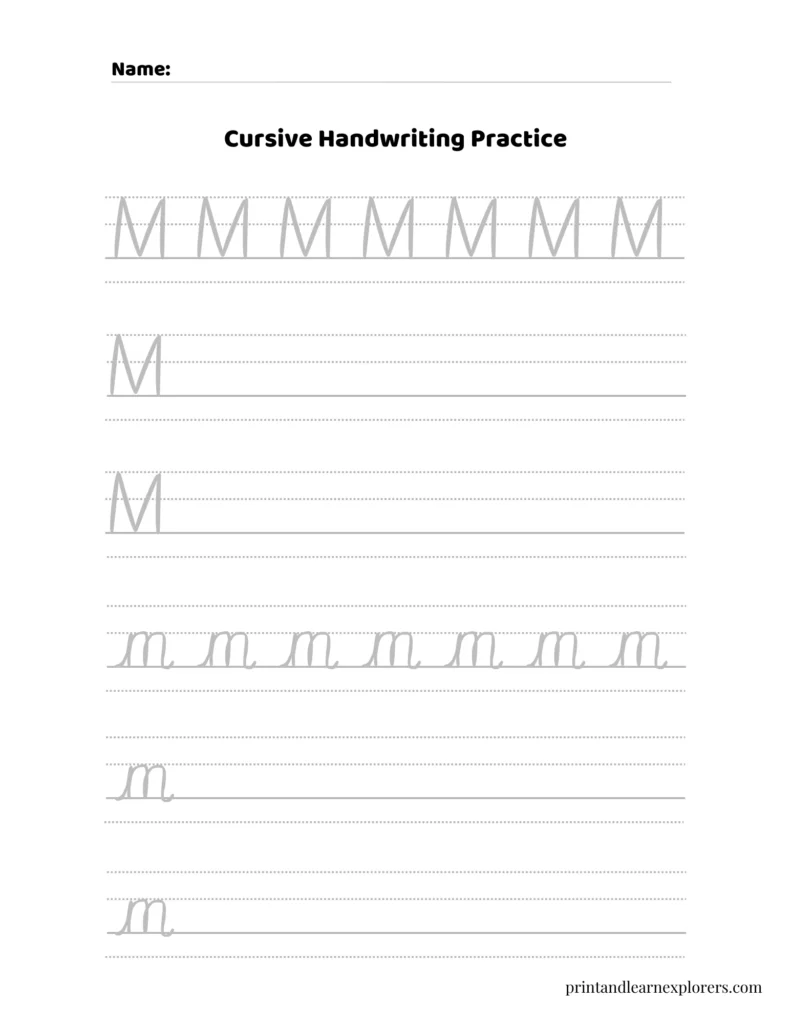
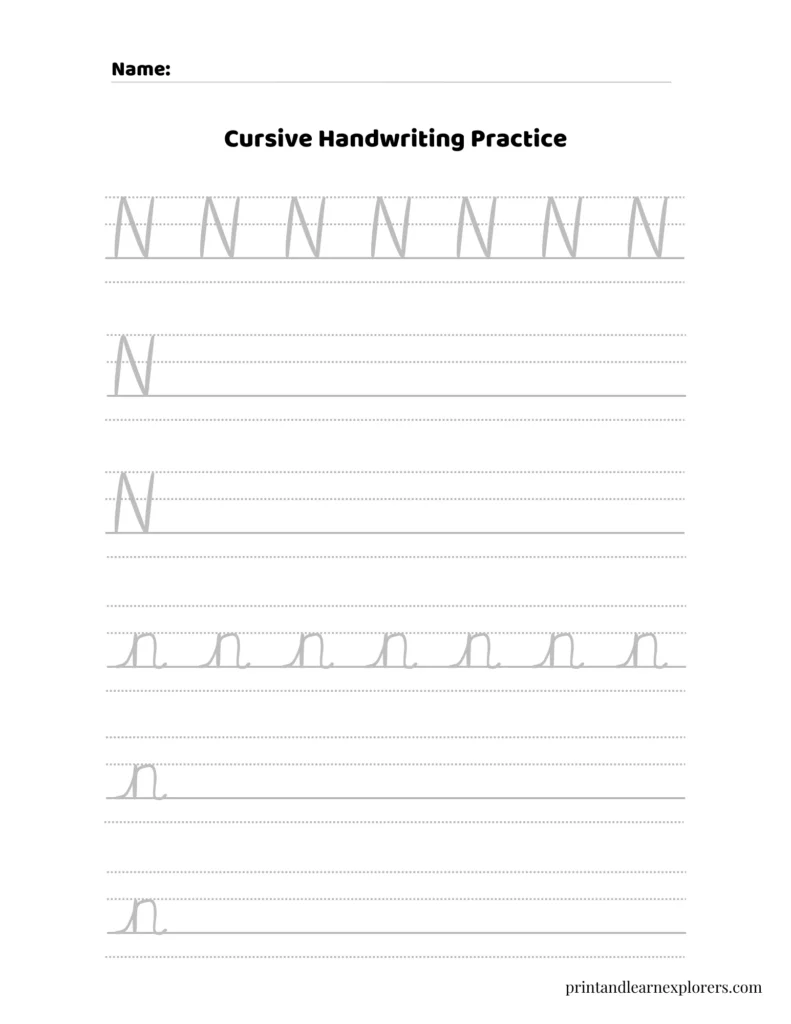
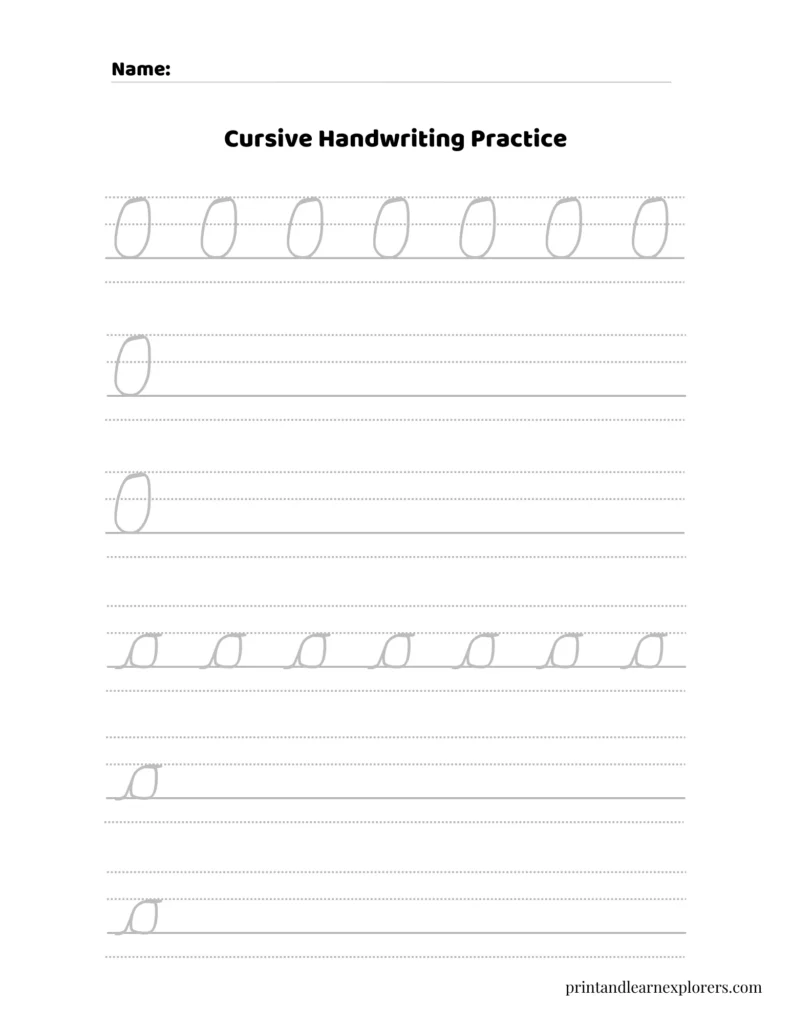
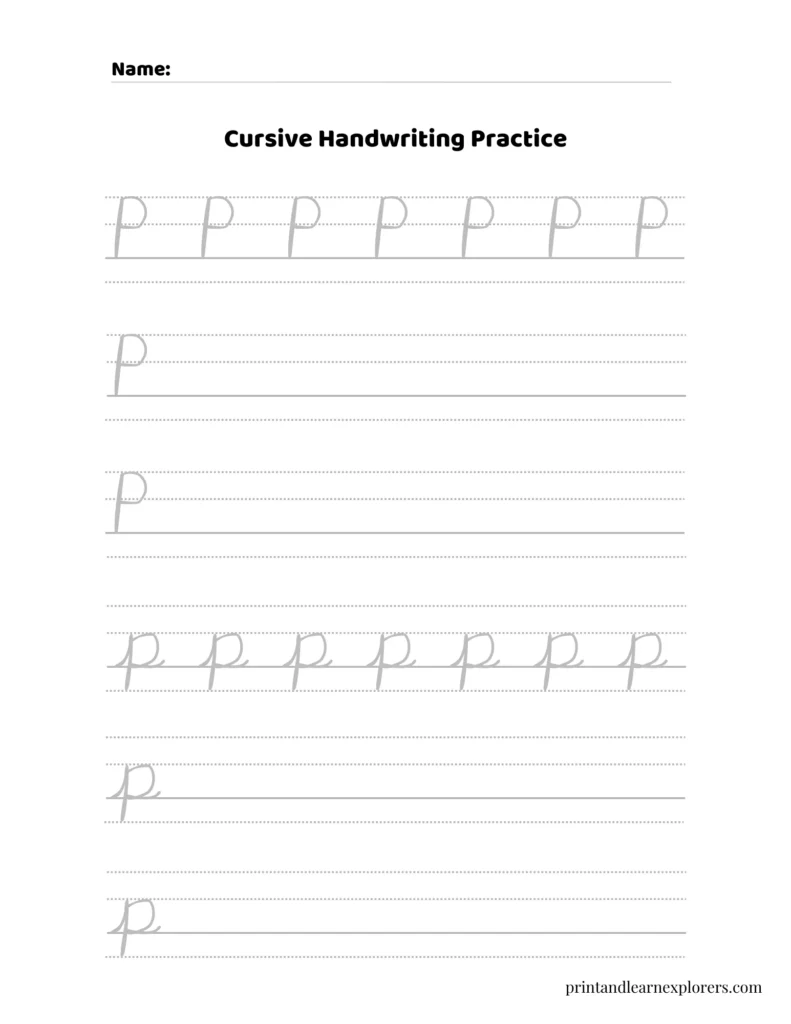
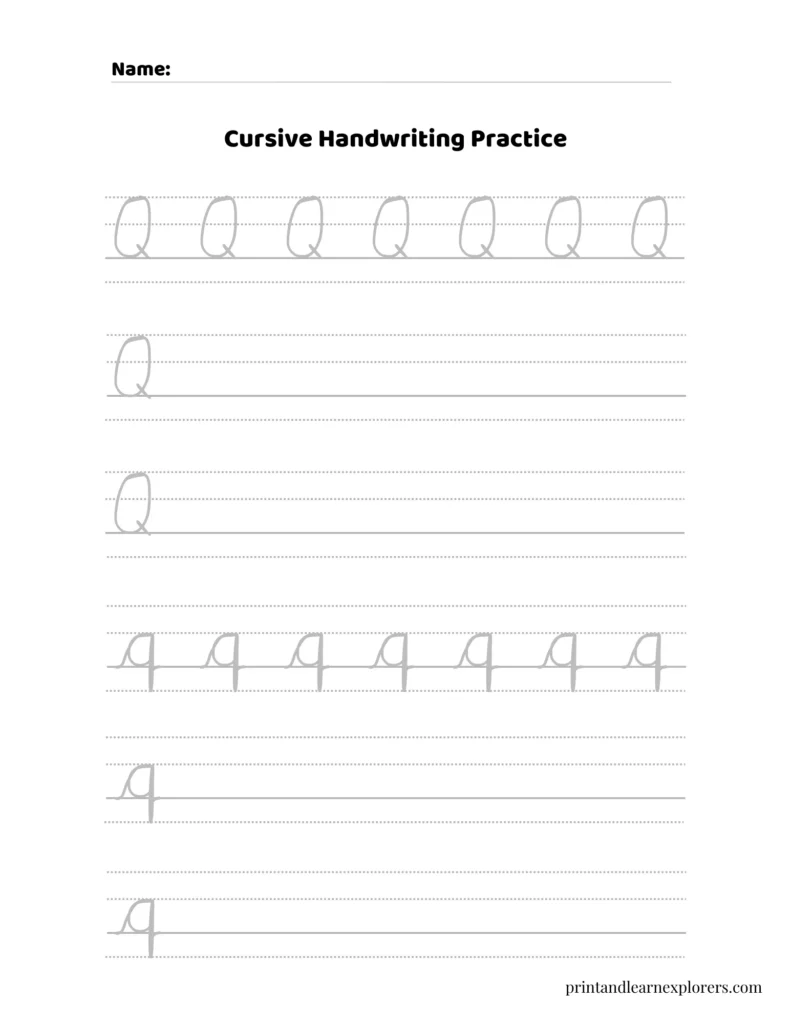
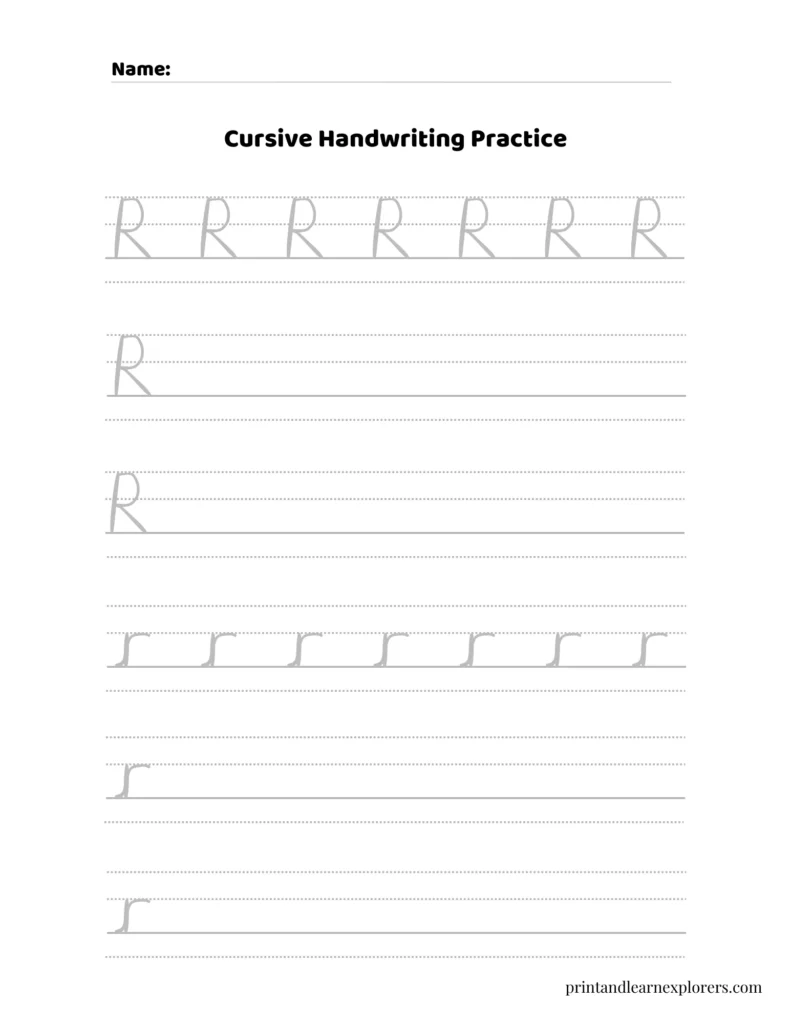
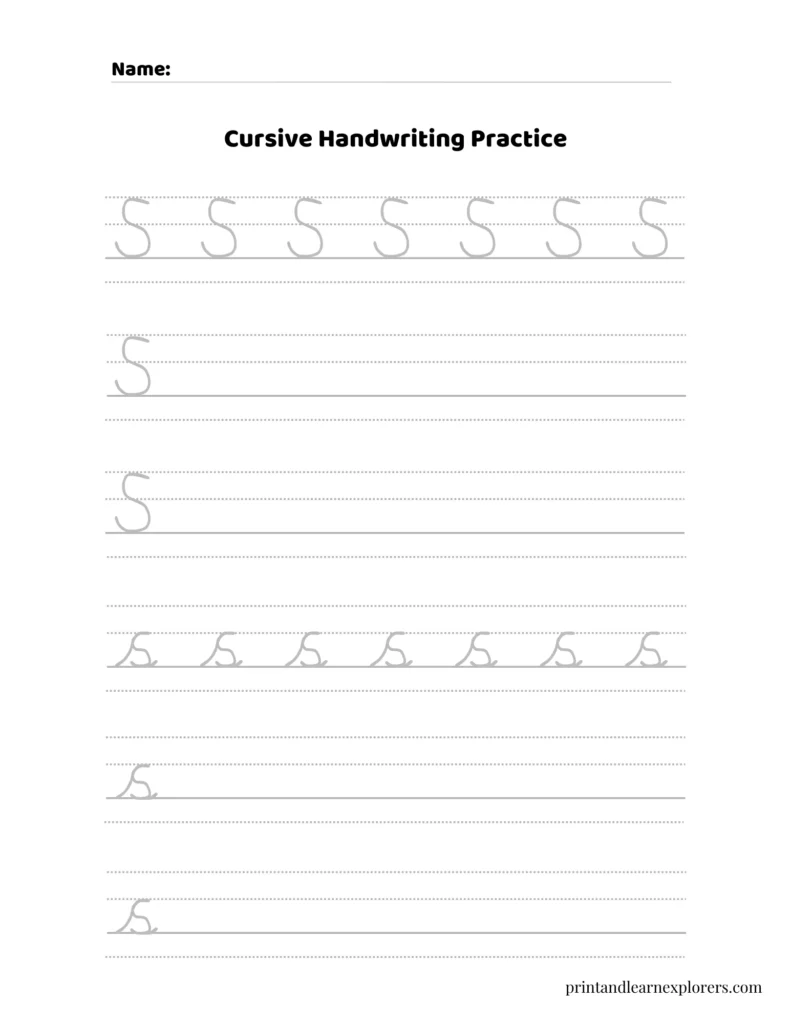
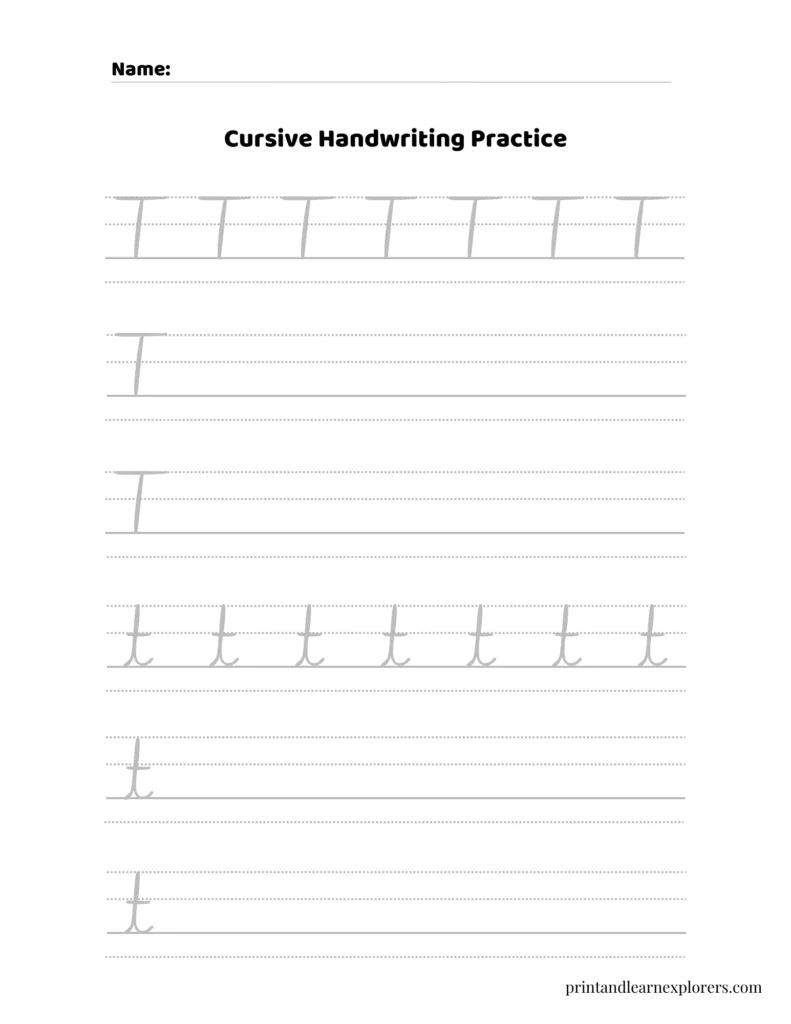
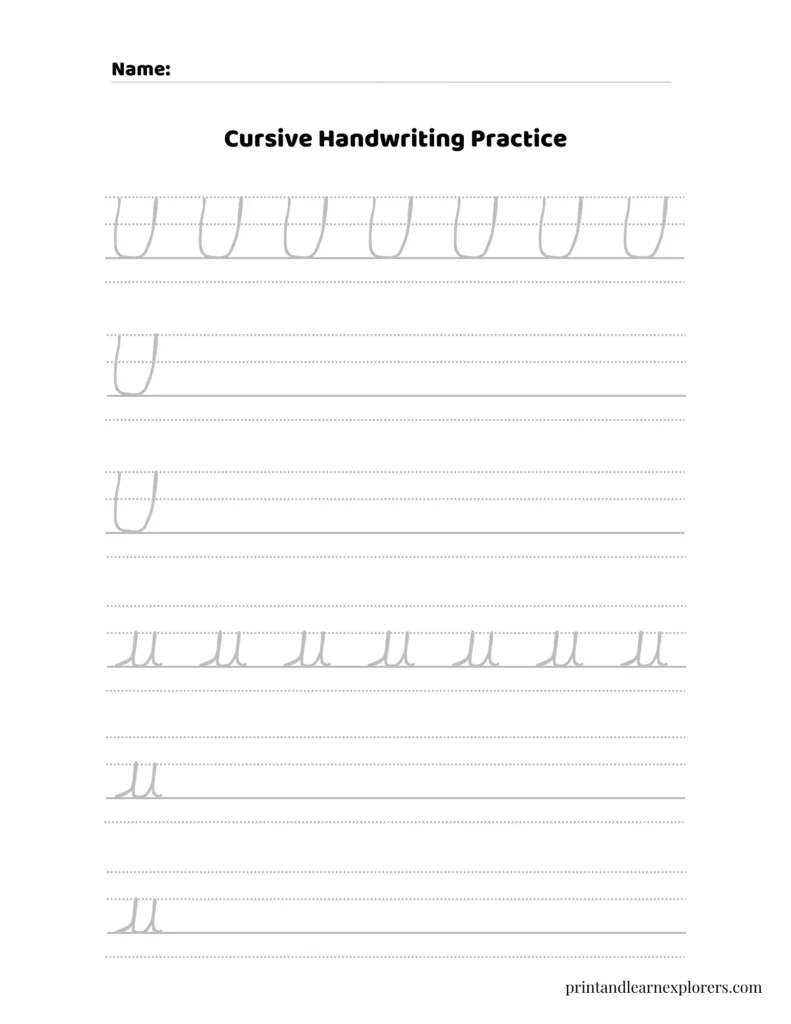
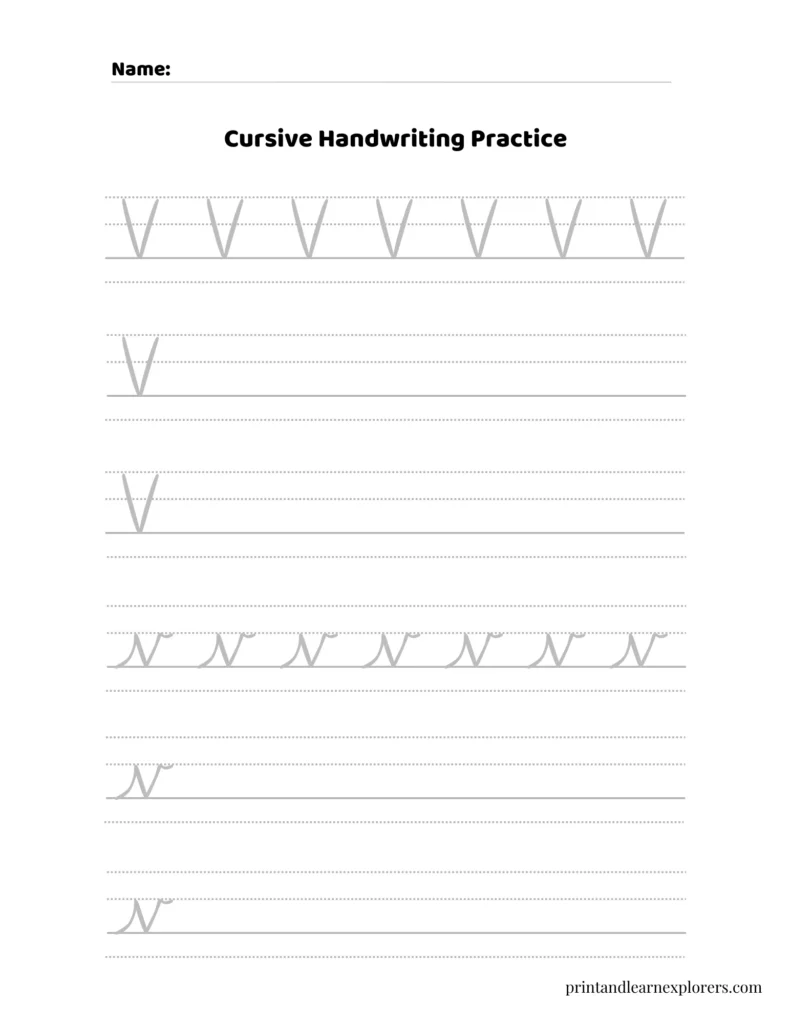
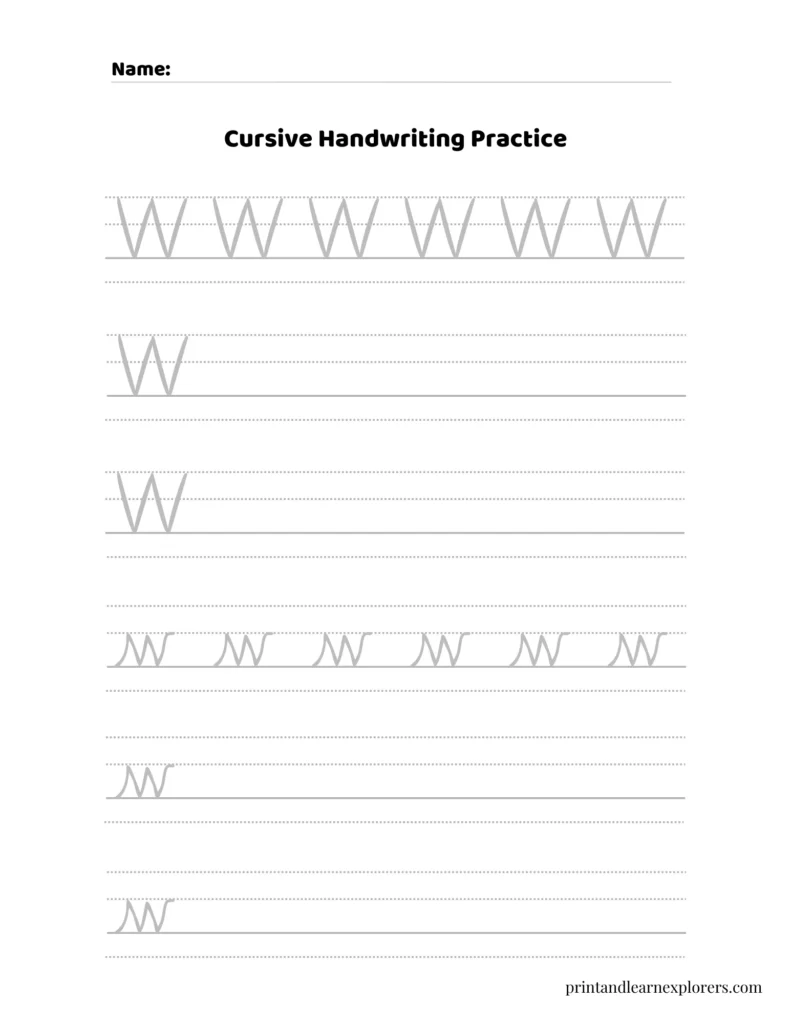
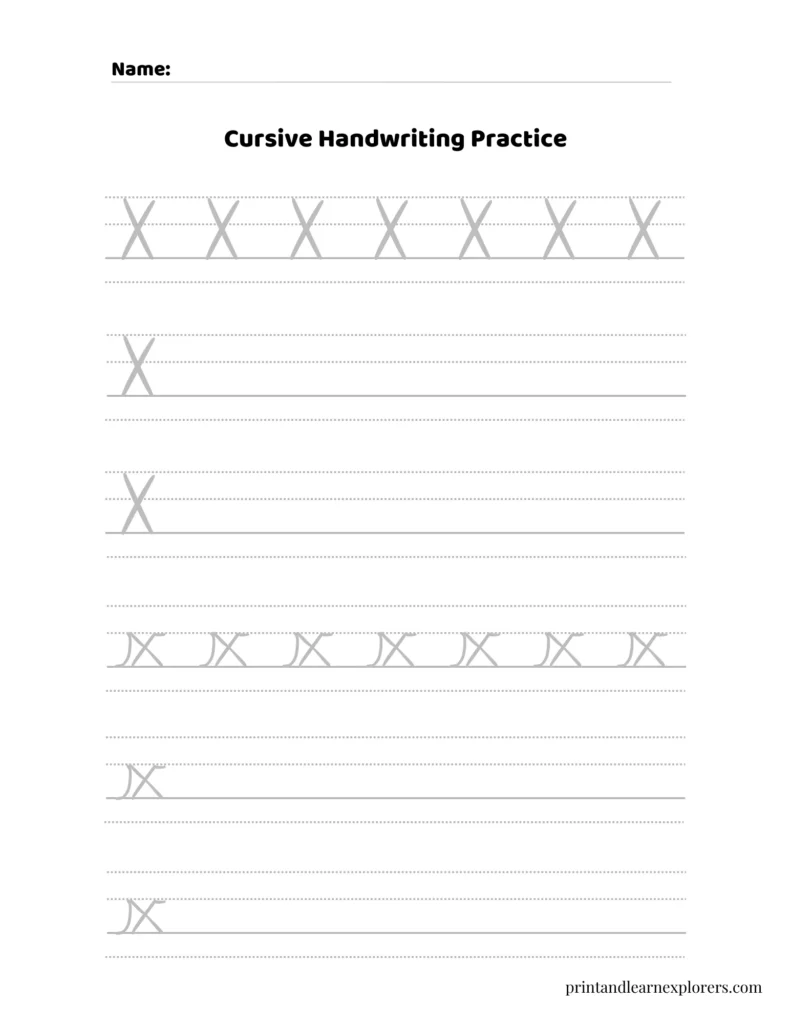
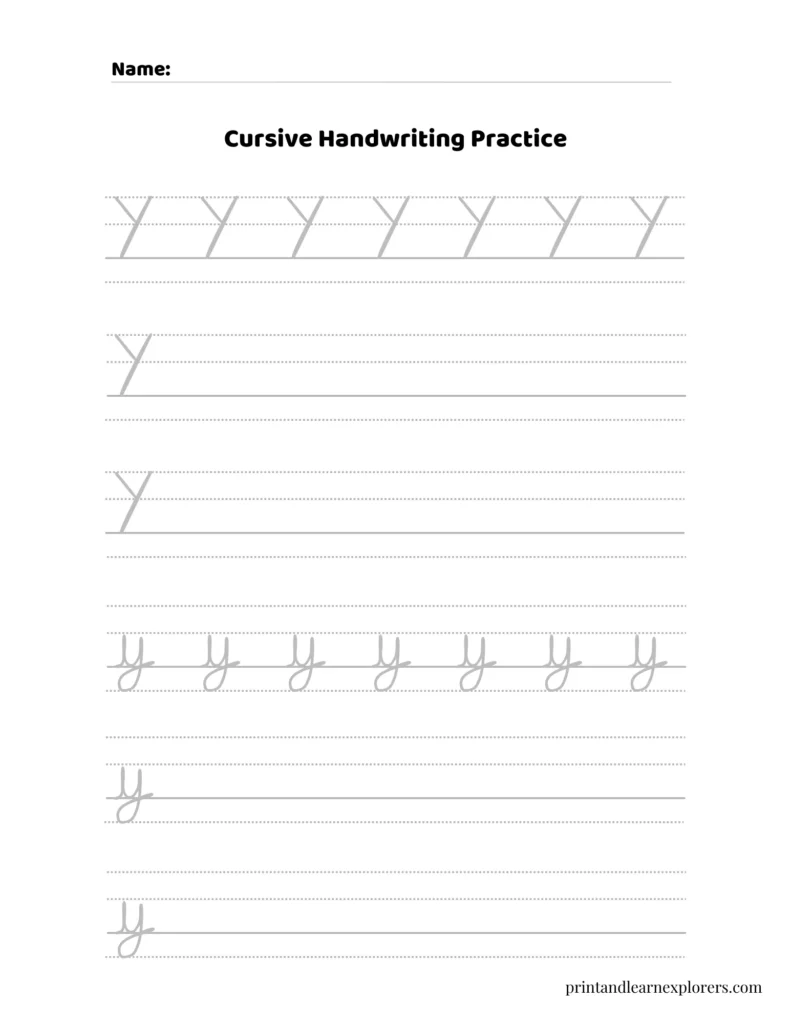
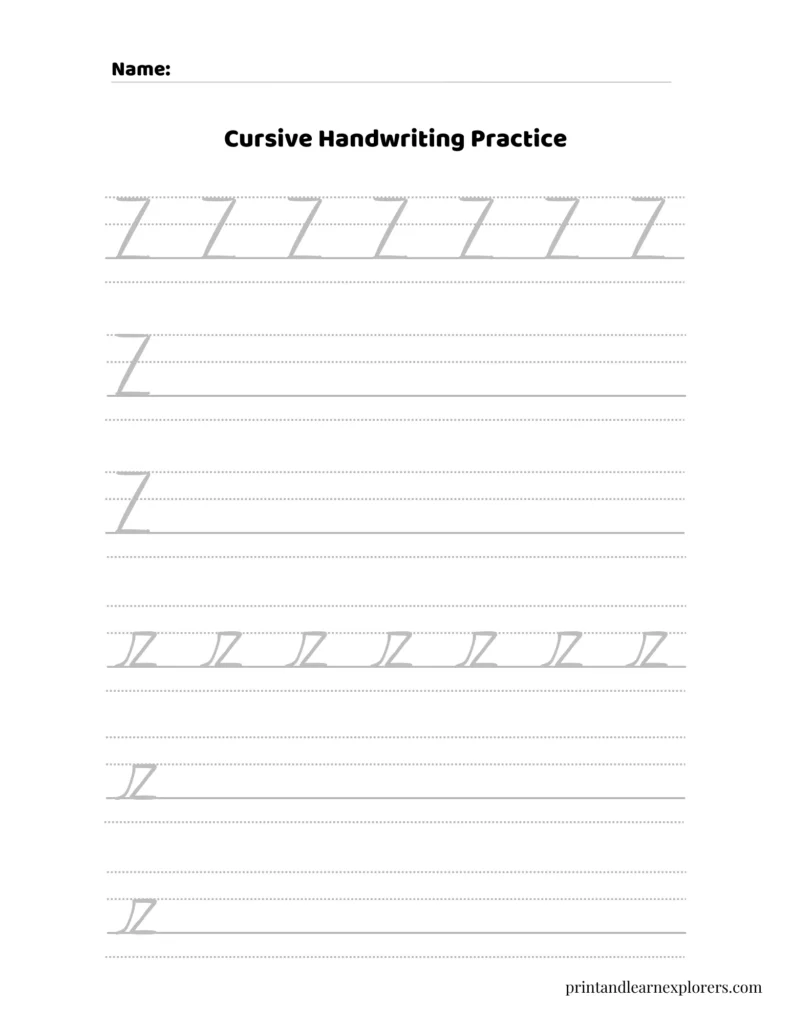
These cursive writing alphabet worksheets are designed to help children practice cursive letter formation from A to Z in a simple, structured way. The printable set includes both uppercase and lowercase cursive letters, making it easy for kids to build confidence with cursive handwriting through consistent, guided practice.
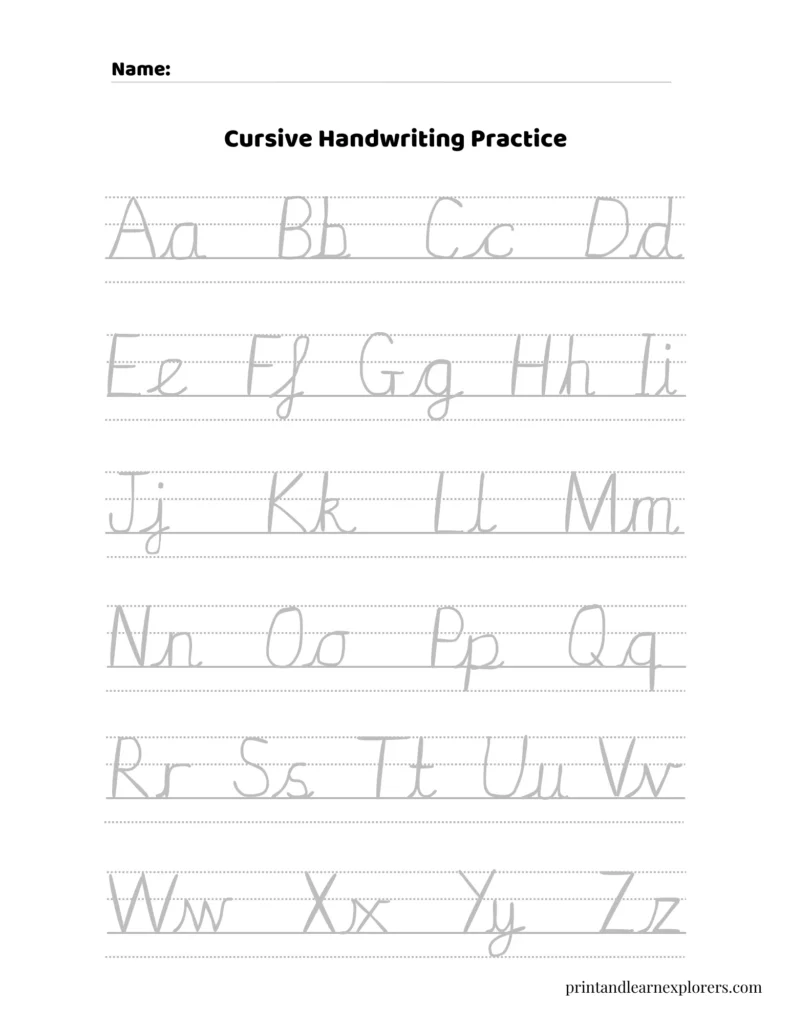
Coloring pages and worksheets are free for personal or classroom use.
Please do not redistribute or sell the files.
These free cursive writing worksheets are ideal for preschoolers, kindergarten, and early elementary students who are ready to begin learning cursive or need extra handwriting support. They work well for parents, teachers, and homeschoolers looking for clear cursive alphabet practice sheets that can be used at home or in the classroom.
A to Z Cursive Writing Alphabet Worksheets
These cursive writing alphabet worksheets are designed to gently guide children through learning cursive letters from A to Z, without pressure or overwhelm.
With clear uppercase and lowercase letter models and plenty of space to practice, the cursive practice worksheets help children build confidence, improve handwriting flow, and feel comfortable as they learn cursive at their own pace.
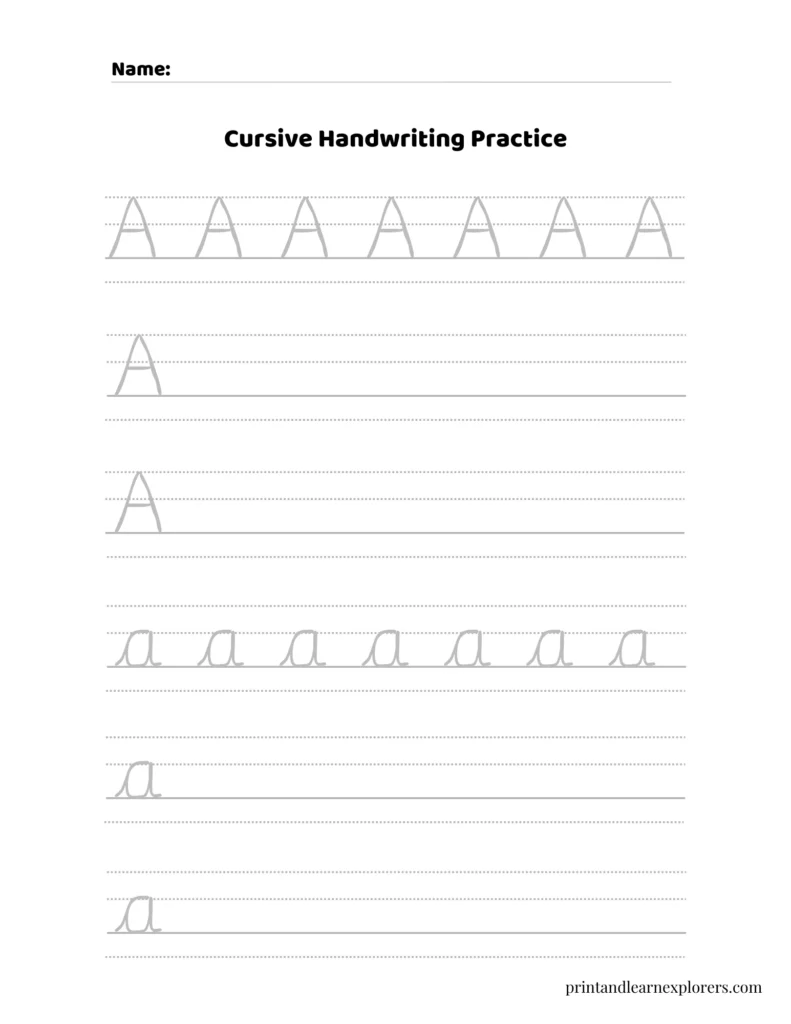
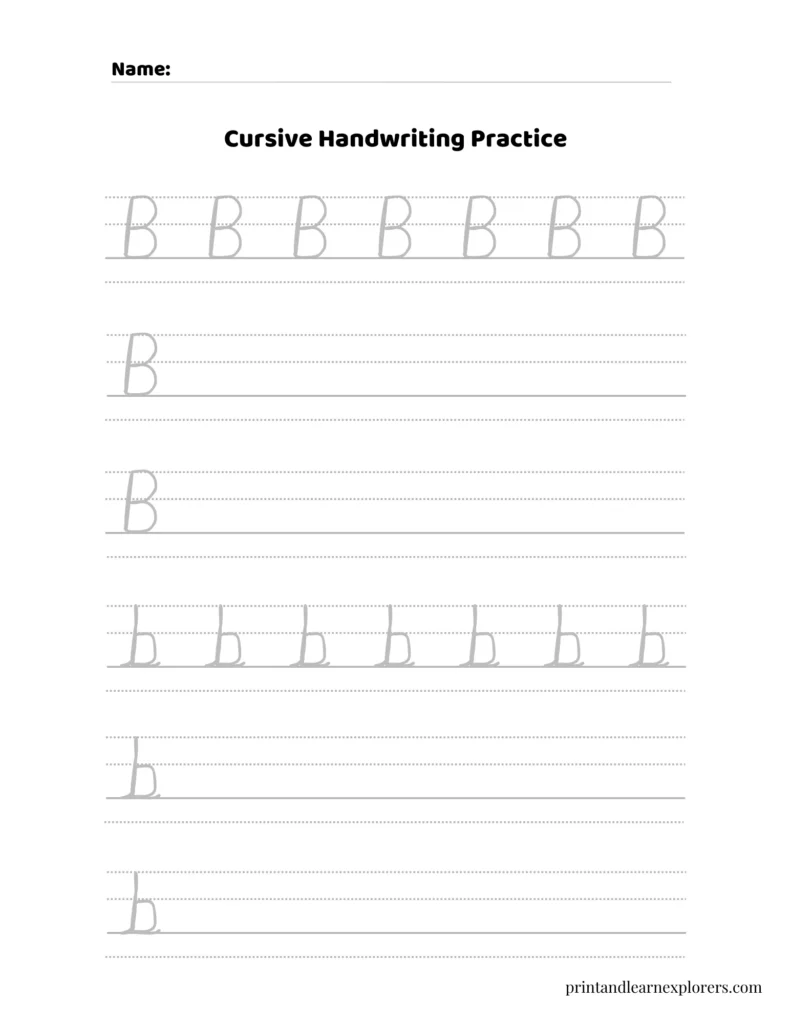
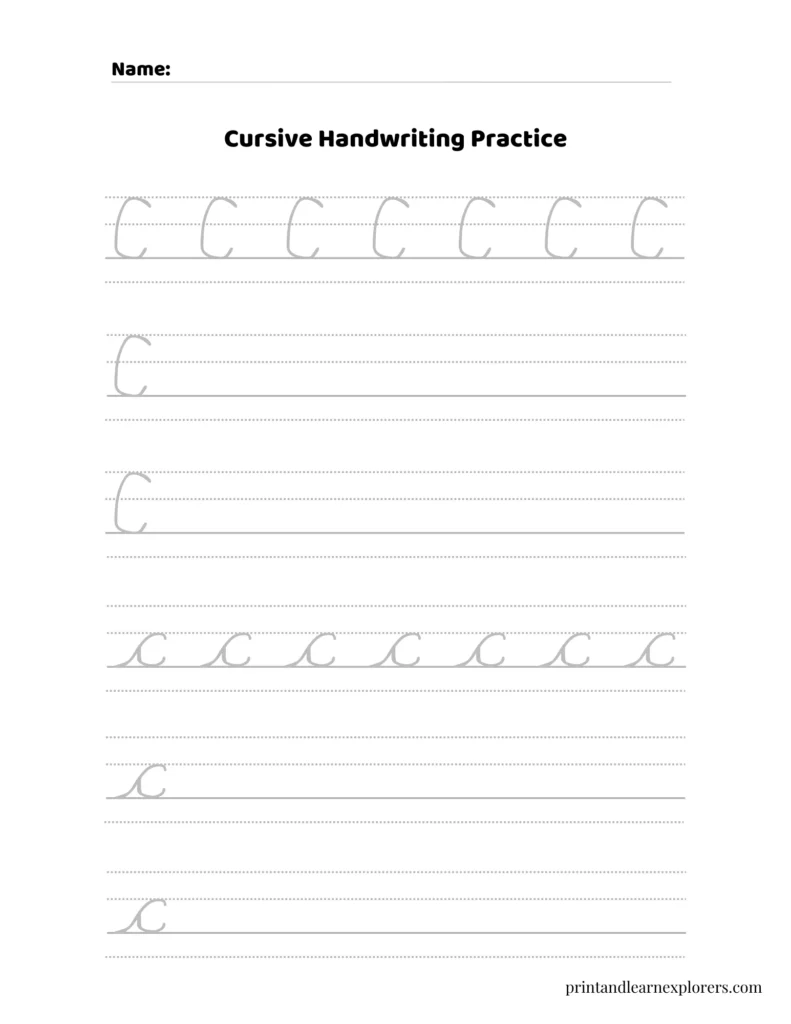
Cursive handwriting takes time to develop. Focusing on progress rather than perfection helps children stay motivated and enjoy the learning process.
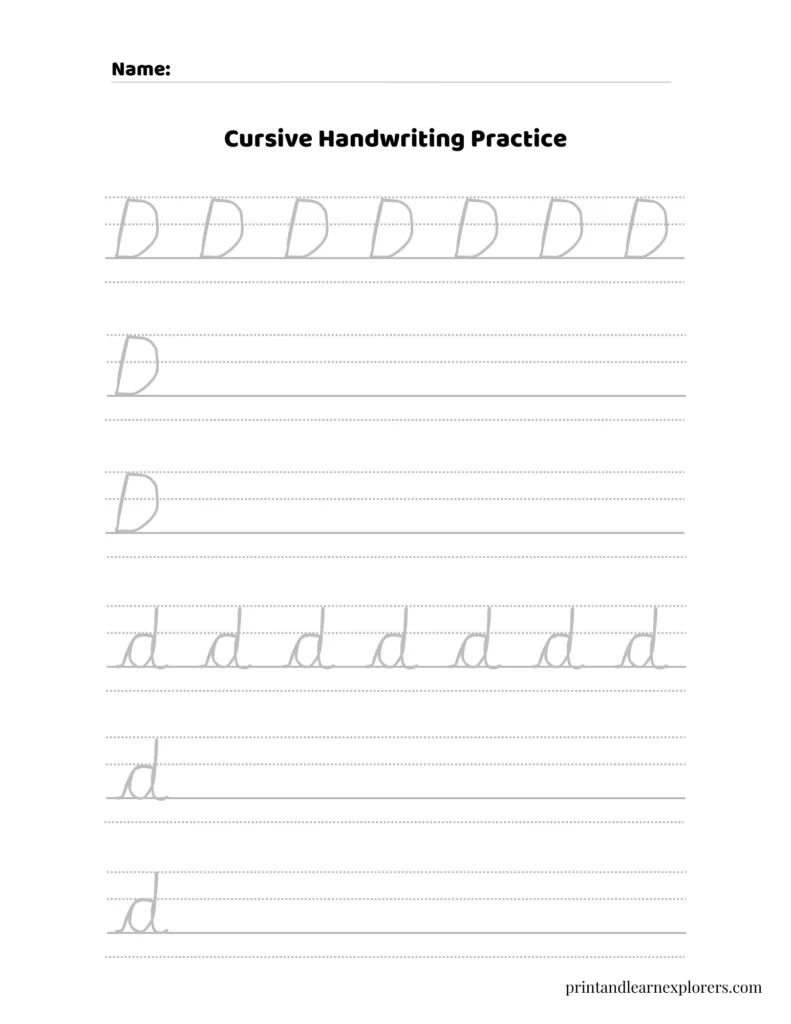
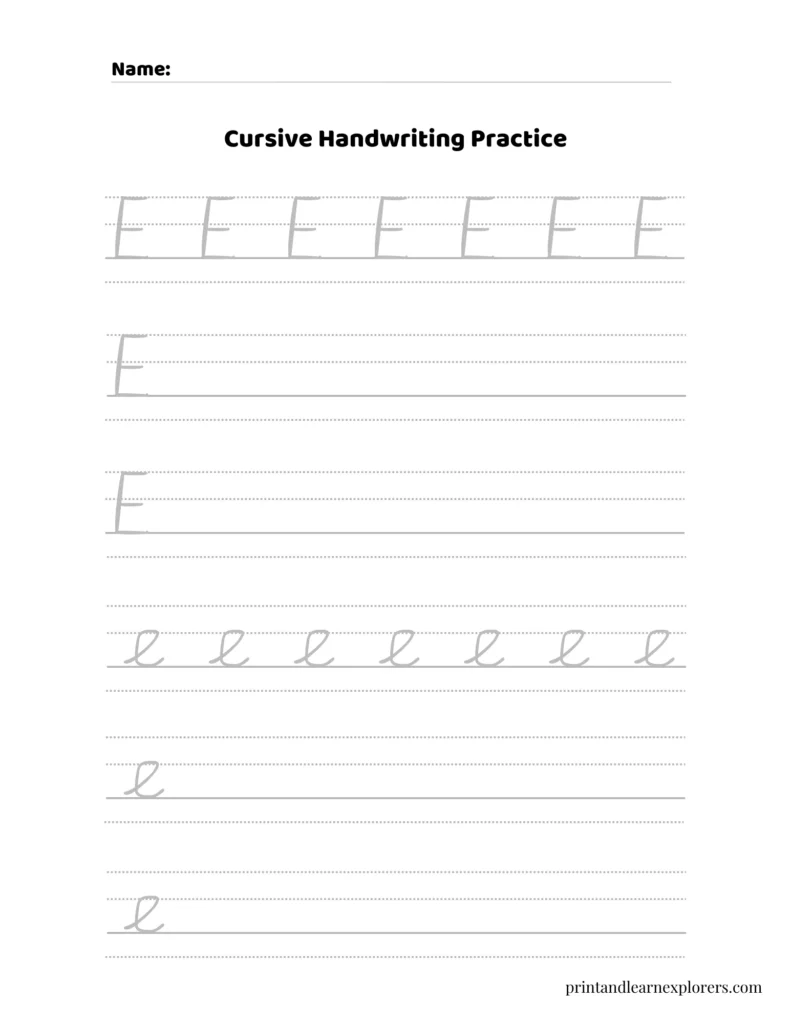
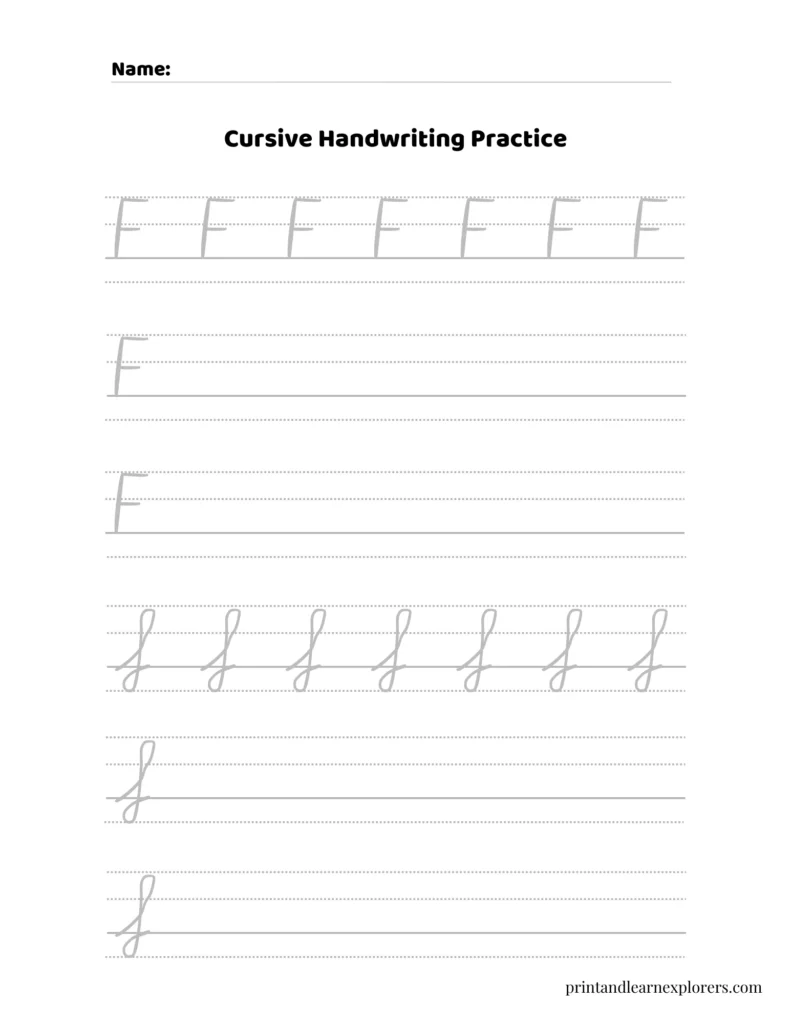
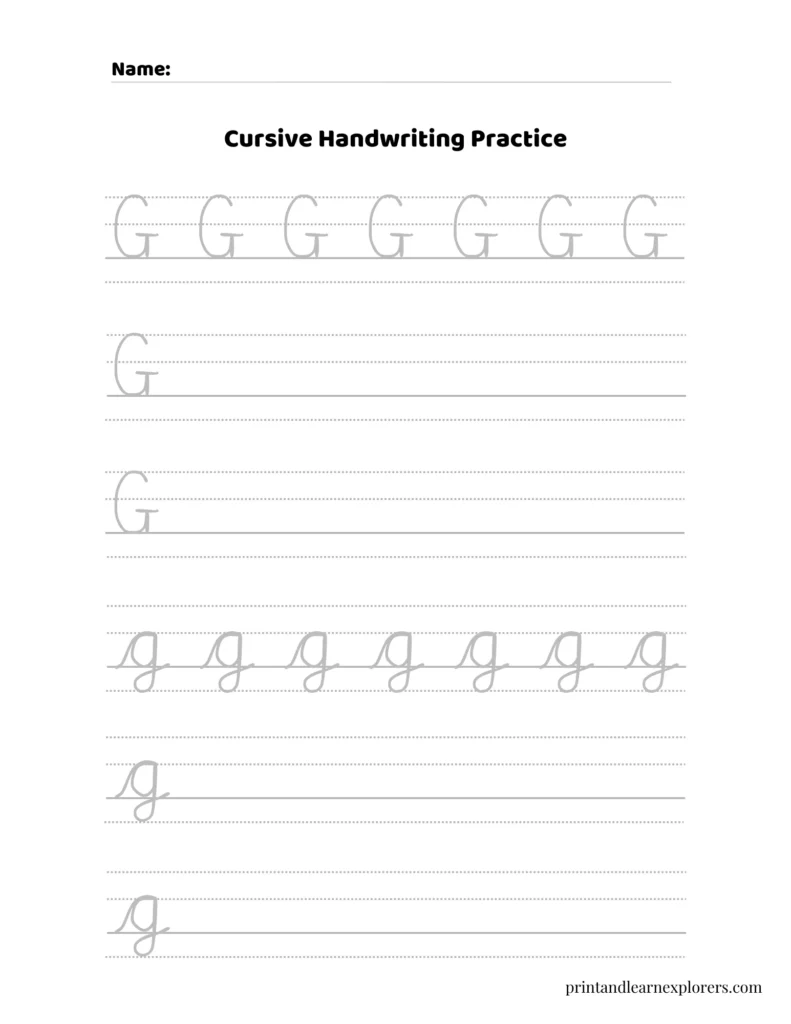
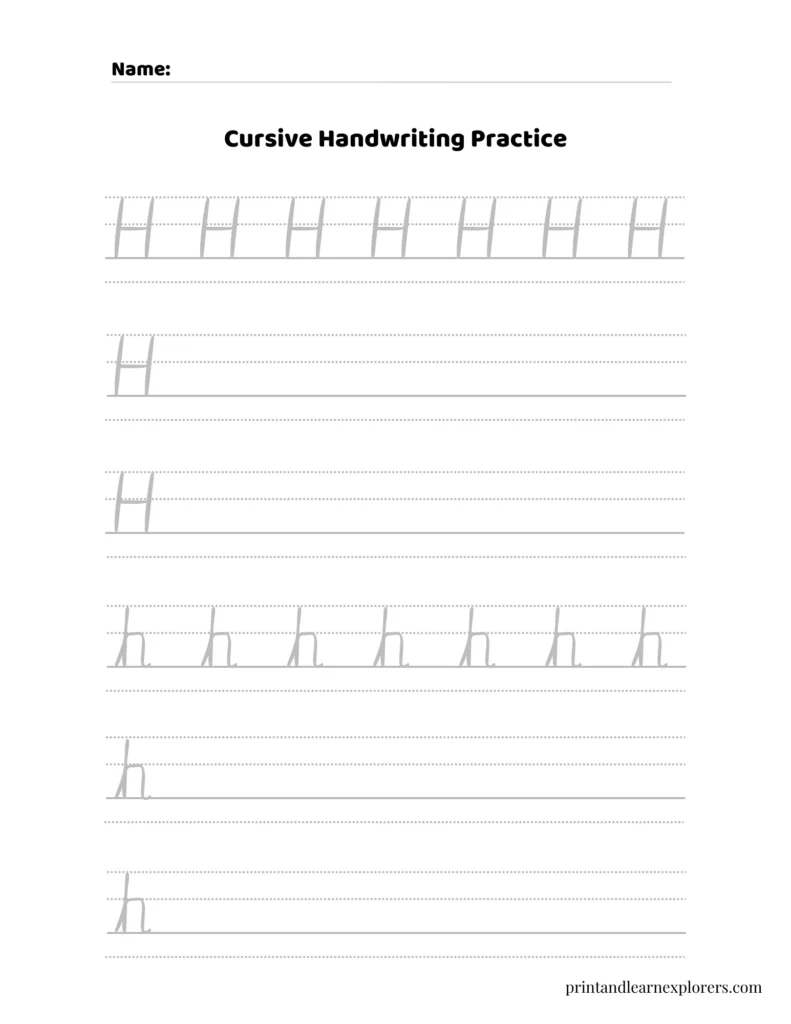
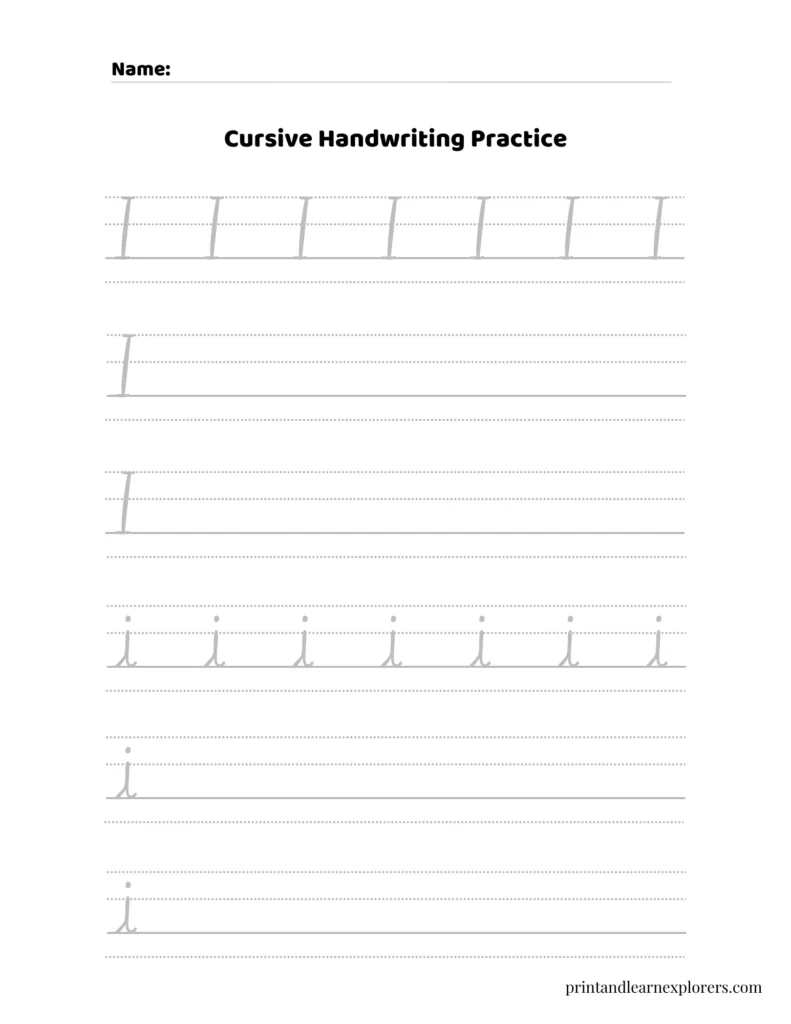
These cursive writing worksheets are intended for steady, confidence building practice rather than speed, allowing children to learn cursive comfortably and at their own pace.
✏️ How to Download and Print
Click on the image or the Download PDF button for the download manager to open in a new tab. Follow the instructions and when you are ready, close the tab to continue browsing where you left off.
Can’t find your download? Check your ‘Downloads’ folder on your computer. Some web browsers are a little too subtle that something has happened!
To print your coloring page, open the PDF:
- Set your printer paper to US Letter or A4 paper
- For coloring cards and dot marker printables, set the image to print at 100%
- For all other designs, scale to fit the page
If a child feels frustrated, it’s okay to pause and come back later. Short, relaxed practice sessions often work better than trying to complete too much at once.
Cursive Writing Alphabet Worksheets FAQs
Why do some children find cursive writing difficult at first?
Cursive writing asks children to coordinate continuous movement, pencil pressure, spacing, and letter joins all at once. In the UK, cursive letters are often introduced from preschool, sometimes before fine motor strength and coordination are fully developed. For many children, especially those with ADHD, dyspraxia, or motor planning differences, this can make cursive feel challenging even though the skill itself is achievable with time and support.
Is it normal for cursive handwriting to look messy or uneven?
Yes. Early cursive handwriting is usually inconsistent as children learn how letters flow and connect. Uneven sizing, spacing, and joins are part of the learning phase. Neatness develops later, once the movements become more automatic. Focusing too early on appearance can increase frustration and reduce confidence.
Should children take cursive practice slowly?
Yes. Slower writing allows children to concentrate on correct letter formation and smooth joins, which helps build muscle memory. Short, calm practice sessions are often more effective than longer sessions that lead to tired hands or disengagement, particularly for children who struggle with focus or coordination.
Is it okay if children mix cursive and non-joined writing?
It is very common for children to move between cursive and non-joined writing as they build fluency. This mixing often reflects a child choosing the letter style that feels most manageable in the moment. Over time, consistency usually develops naturally without needing correction.
Do cursive worksheets still matter when children use technology so much?
Yes. Cursive handwriting supports fine motor skills, hand strength, coordination, and cognitive processes such as memory and attention. These skills transfer beyond handwriting itself and remain valuable even in a digital learning environment.
More Alphabet and Letter Resources
Continue your alphabet learning with the following:
Related Letter Tracing Resources
